
Living and Working in Curaçao
Thinking about a job in Curaçao? This extensive guide covers everything you need to know before and after your move: work permits, residence, housing, the cost of living, healthcare, taxes, banking, transport, languages, education and daily life on the island.


About Curaçao
Curaçao is an island in the southern Caribbean, about 65 kilometers north of Venezuela. Since 2010 it has been an autonomous country within the Kingdom of the Netherlands, with its own government, parliament and laws. Around 150,000 people live on the island, which is roughly 60 kilometers long.
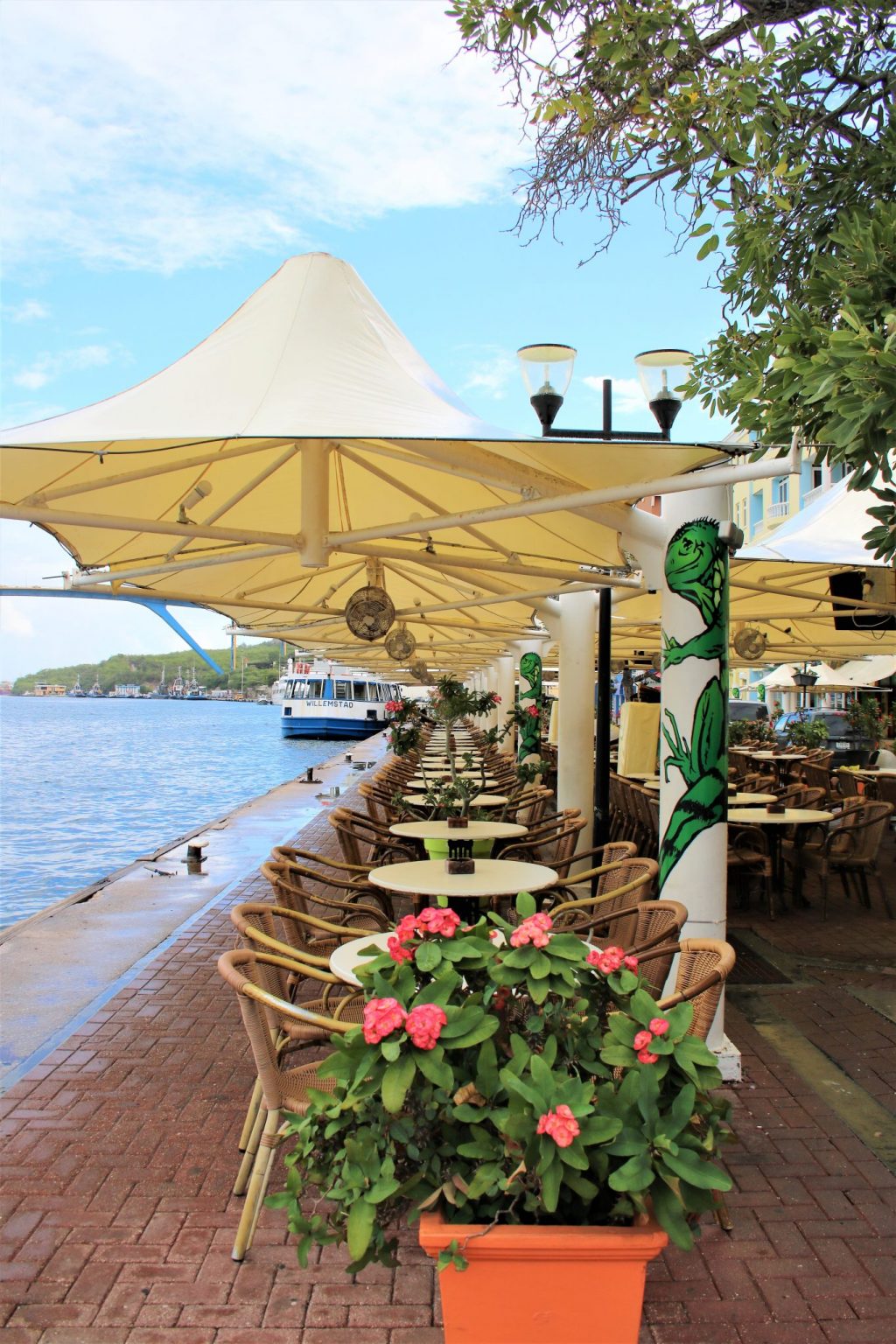
The capital Willemstad, with its colorful waterfront and historic districts Punda and Otrobanda, is a UNESCO World Heritage site and the center of business, government and culture. Curaçao lies outside the hurricane belt and has a warm, dry climate with temperatures around 28 to 32 degrees Celsius all year and a steady trade wind.
Work Permits
Anyone without Dutch nationality generally needs a work permit (tewerkstellingsvergunning) to work in Curaçao. The employer applies for the permit with the Ministry of Social Development, Labor and Welfare (SOAW). The employer usually has to show that no suitable candidate is available on the local labor market, for example by advertising the vacancy locally first.
Processing times vary from a few weeks to several months, so start early and agree with your employer who handles and pays for the application. A permit is usually tied to a specific employer and position. If you change jobs, a new permit is normally required.
Some groups, such as certain highly skilled professionals and spouses of residents, may fall under simplified procedures. Rules change regularly, so always check the latest requirements with your employer or the official authorities.
- Never start working before your permit has been granted.
- Keep copies of your diplomas, references and a recent certificate of good conduct, often required with apostille.
- Ask your employer to confirm in writing who pays the application fees.
Residence and Registration
Non-Dutch nationals usually need a residence permit (verblijfsvergunning) from the Admission Office (Toelatingsorganisatie), the island's immigration service, in addition to a work permit. Applications typically require a valid passport, a birth certificate, a certificate of good conduct, proof of health insurance and proof of income or an employment contract.
Dutch nationals do not need a work or residence permit, but must report to the Toelatingsorganisatie for a declaration (verklaring van rechtswege) and show they have sufficient income and a place to live.
After arrival, everyone who settles on the island must register with the civil registry (Kranshi). Registration gives you a local identity card (sédula) and a personal number that you need for banking, healthcare, utilities and many other everyday matters.
Finding a Home
Most newcomers rent first. Furnished apartments and houses are widely available, especially in popular areas such as Pietermaai, Jan Thiel, Mambo Beach, Piscadera, Julianadorp and Blue Bay. Rents vary strongly by location, size, furnishing and whether a pool or sea view is included.
Lease agreements usually require a deposit of one to two months' rent. Check whether water, electricity, internet and garden or pool maintenance are included. Gated communities are popular for their security and facilities but are more expensive.
Buying property is possible for foreigners. Transfers go through a civil-law notary, and transfer tax and notary costs apply. Many people rent for at least a year before buying to get to know the different neighborhoods.
- View a property in person before signing or paying a deposit.
- Ask for recent utility bills to estimate monthly costs.
- Check the distance to your workplace, as traffic can be busy at rush hour.
Cost of Living
The local currency is the Caribbean guilder (Cg), which replaced the Netherlands Antillean guilder and is pegged to the US dollar. US dollars are widely accepted in shops and restaurants. Because many products are imported, groceries, household items, cars and electronics are often more expensive than in Europe or the United States. Local fish, fruit and vegetables from markets are often better value.
Utilities are a noticeable part of the monthly budget. Electricity and water are produced on the island by Aqualectra and are relatively expensive, especially if you use air conditioning often. Internet and mobile plans are widely available from providers such as Flow and Digicel.
Salaries are generally lower than in the Netherlands or the United States, while some costs are higher. Compare an offer carefully against your expected expenses for rent, transport, insurance and schooling.
Taxes and Social Security
Residents of Curaçao pay income tax on their worldwide income under a progressive system. Employers withhold wage tax and premiums for social insurance, including the old age pension (AOV), widows and orphans insurance (AWW) and the general health insurance (BVZ), directly from your salary.
Under certain conditions, newcomers with specific expertise may qualify for a favorable tax regime for incoming employees. A sales tax (OB) applies to most goods and services. Because tax rules are complex and change over time, it is wise to consult a local tax advisor, especially if you keep income or property abroad.
Healthcare and Insurance
Health insurance is mandatory for residents. Most employees are covered through the general basic health insurance (BVZ), with premiums shared by employer and employee. Many employers also offer, or you can buy, supplementary private insurance for broader coverage.
The island has a modern main hospital, the Curaçao Medical Center in Willemstad, as well as private clinics, general practitioners, dentists and pharmacies (botika). For some specialized treatments, patients may be referred to Colombia or the Netherlands.
- Register with a general practitioner soon after arrival.
- Bring a supply of any prescription medication and a doctor's letter.
- Use sunscreen and drink plenty of water: the sun is strong all year round.
Banking and Money
To open a local bank account you usually need your passport, sédula, proof of address and an employment contract or proof of income. Major banks include Maduro & Curiel's Bank (MCB), RBC and Banco di Caribe. Expect thorough identity checks because of international compliance rules.
Debit and credit cards are accepted almost everywhere, and contactless payment is common. Many people also keep an account in their home country for international payments.
Getting Around
A car is almost essential in Curaçao. Public buses exist but have limited routes and schedules. Traffic drives on the right. Many residents buy a used car, and importing a car is possible but involves import duties.
A foreign driving license can be used for a limited period after you become a resident. After that you need a local license, which you can often obtain by exchanging your existing license, depending on the issuing country. Car insurance is mandatory.
Hato International Airport has direct flights to the Netherlands, the United States, South America and other Caribbean islands, making travel home relatively easy.
Languages
Curaçao has three official languages: Papiamentu, Dutch and English. Papiamentu, a Creole language with Portuguese, Spanish, Dutch and African influences, is spoken at home by most residents. Dutch is common in government, law and education, and English is widely used in tourism, business and the financial sector.
Spanish is also widely understood, partly because of the island's proximity to South America. Many jobs require at least two languages. Learning a few words of Papiamentu, such as bon dia (good morning) and danki (thank you), is greatly appreciated and helps you settle in faster.
Working Culture
Business culture combines Dutch directness with a warm Caribbean approach. Personal relationships matter: people take time for a greeting and small talk before getting down to business. Networking, both formal and informal, is often the key to opportunities.
A typical working week is around 40 hours. Many offices start early, around 7:30 or 8:00, to make the most of the cooler morning. Business attire is usually smart casual, adapted to the climate, although banks and law firms can be more formal.
Key sectors include tourism and hospitality, healthcare, financial and business services, logistics and the port, retail, construction, education and the public sector. There is regular demand for professionals in healthcare, IT, finance and skilled trades.
Schools and Education
The local school system largely follows the Dutch model, with Dutch and Papiamentu as the main languages of instruction. There are public and private schools at primary and secondary level, as well as the University of Curaçao.
International families often choose schools such as the International School of Curaçao, which teaches in English. Waiting lists can apply, so contact schools well before your move.
Daily Life and Leisure
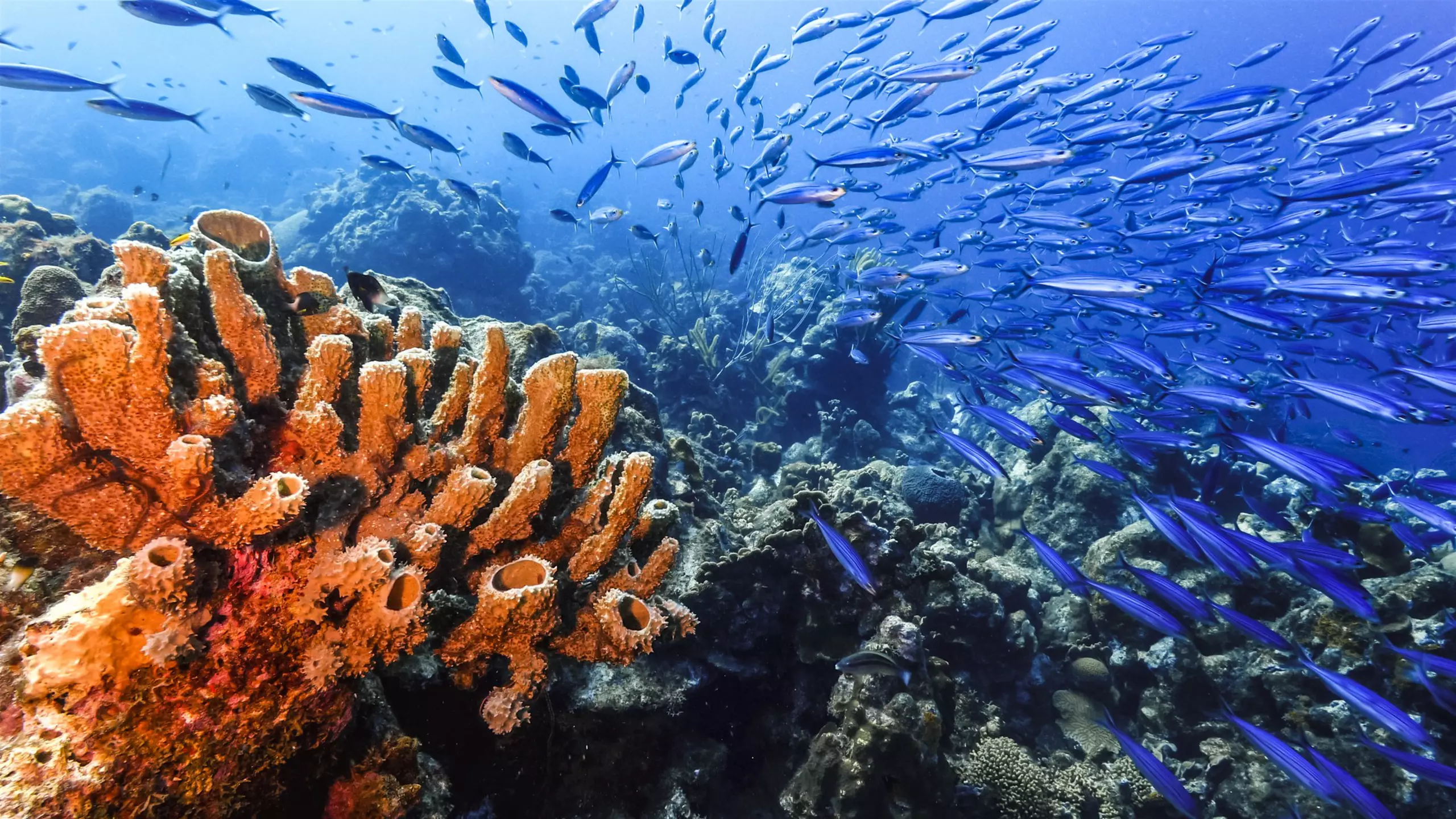
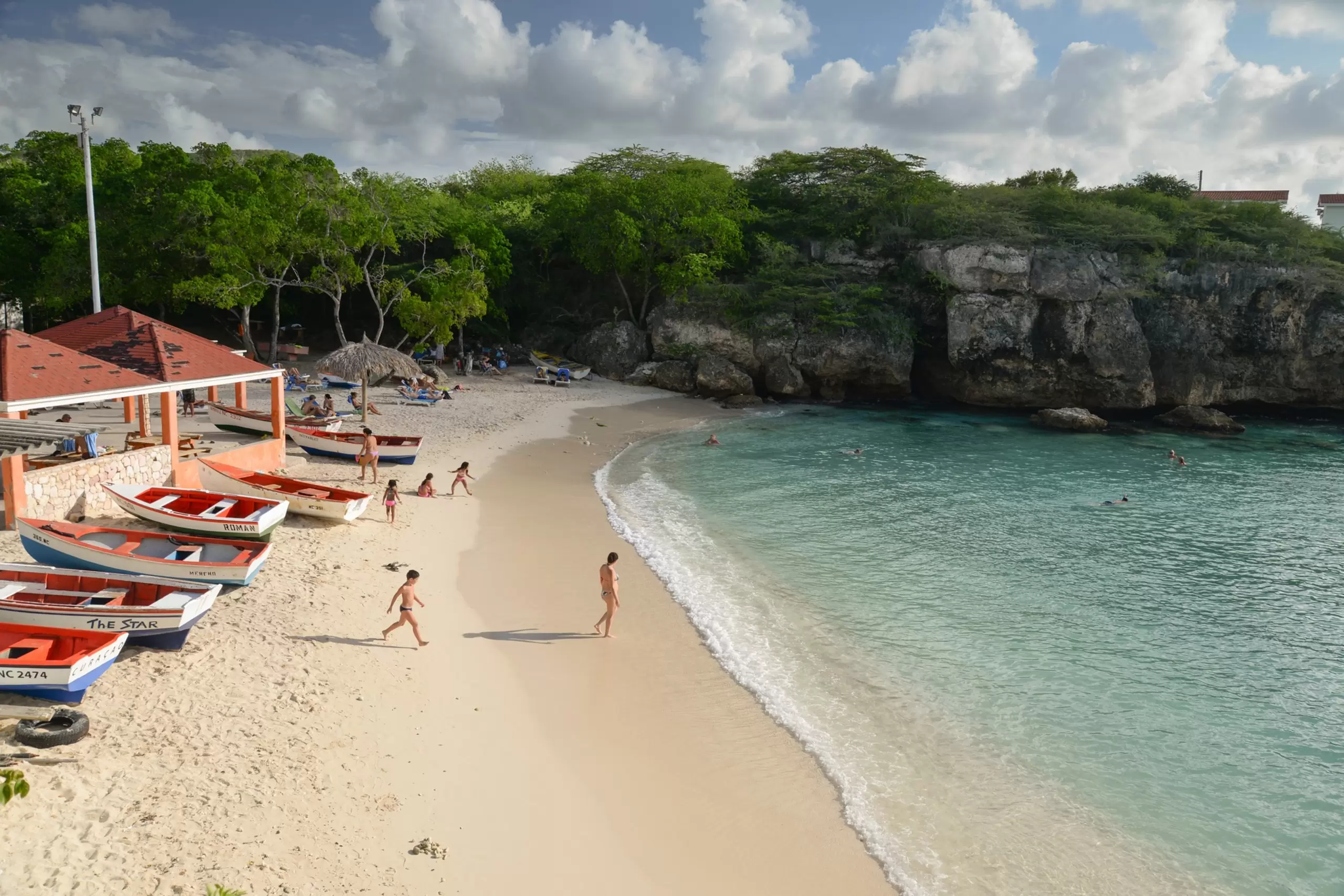
Life in Curaçao follows a relaxed rhythm. The island has more than 35 beaches, from lively spots with beach bars to quiet coves such as Grote Knip and Playa Lagun. The reefs make it one of the best places in the Caribbean for diving and snorkeling.
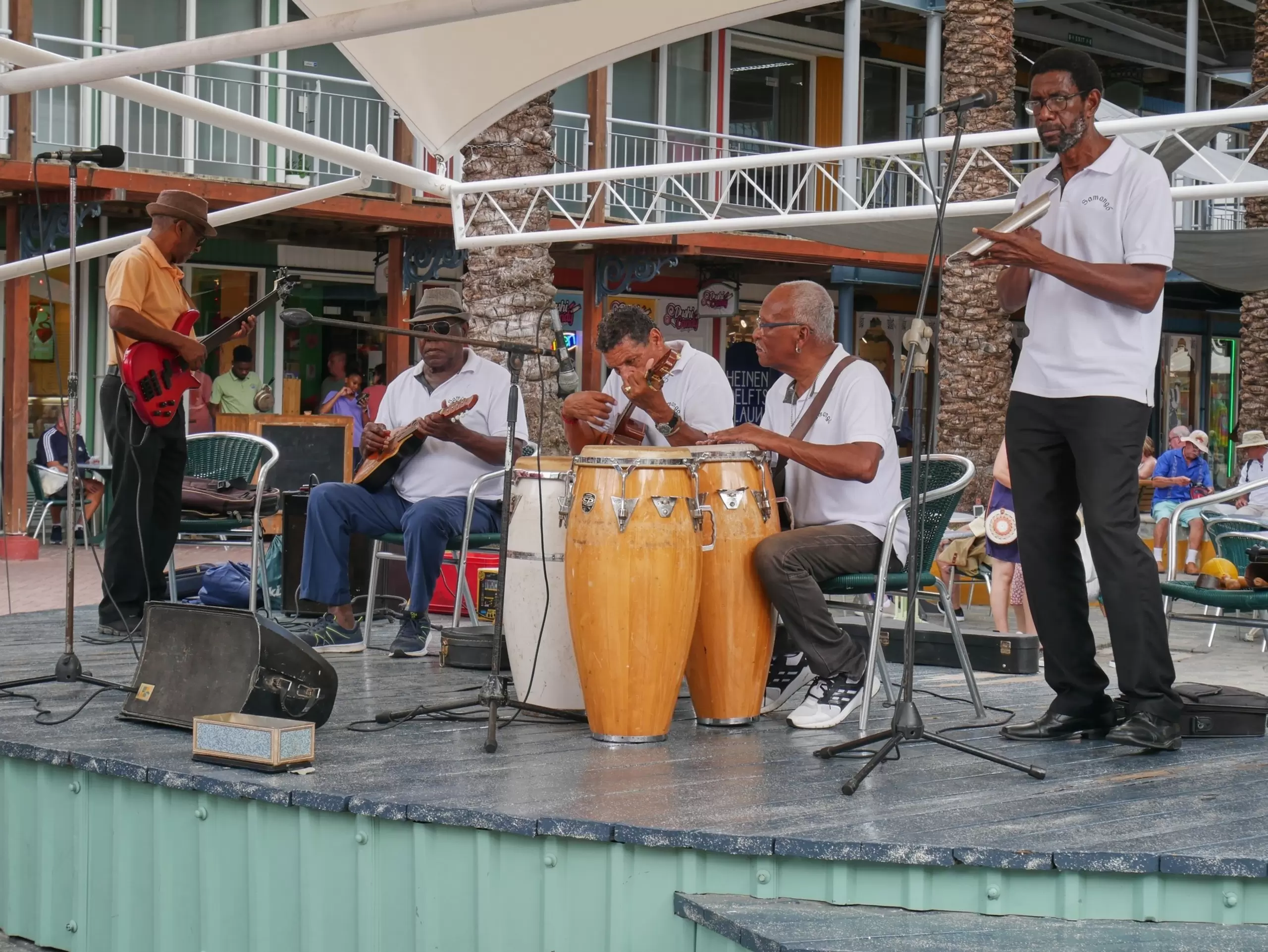
On land you can hike in the Christoffel National Park and Shete Boka National Park, cycle, play sports or explore the historic plantation houses (landhuizen). The island has a vibrant music and food culture, with local dishes such as stobá, keshi yená and pastechi, and a busy calendar of events, from Carnival in February and March to the Curaçao North Sea Jazz Festival.
Safety is comparable to many other Caribbean destinations. Use common sense: lock your car, do not leave valuables visible and choose a secure home.
Minimum Wage
Curaçao has a statutory minimum wage that is adjusted periodically by the government to reflect economic conditions. As of 2026, the minimum wage is Cg 11.93 per hour for employees aged 20 and older. Employers are legally required to pay at least this amount to all employees, regardless of their sector or position.
- Check the latest official minimum wage rates on the government website before accepting a job offer.
- Ensure your employment contract clearly states your gross salary to avoid confusion regarding deductions.
Fiscal Unity and Tax Incentives
Curaçao offers specific tax frameworks that may benefit businesses and employees. For instance, employers hiring individuals between the ages of 18 and 29 may be eligible to request an exemption from wage tax and social security contributions.
Additionally, certain cost allowances for items such as phone, travel, and car expenses can be provided to staff under specific tax-facilitated conditions. If you are considering forming a fiscal unity or utilizing specific investment company structures, ensure you consult with a tax advisor well in advance to meet filing deadlines.
- Ask your employer if you qualify for youth-related wage tax exemptions.
- Discuss potential tax-facilitated cost allowances with your employer during contract negotiations.
Practical Checklist
Moving to another country is a big step. Use the checklist below to prepare for a smooth start.
- Secure a job offer and agree on the work permit procedure with your employer.
- Gather documents: passport, birth certificate, diplomas, certificate of good conduct, all with apostille where needed.
- Arrange temporary accommodation for the first weeks.
- Apply for your residence permit or declaration with the Toelatingsorganisatie.
- Register with Kranshi and collect your sédula.
- Open a bank account and arrange health insurance.
- Buy or lease a car and arrange car insurance.
- Sign up for job alerts on Jobs.cw to discover new opportunities.
Last updated: 4 October 2026